
Soft drinks, or soda as they are also often known, are made by pressurizing carbon dioxide (CO2). The CO2 occupies less volume as a result, to between 1/4 and 1/3 of what it would occupy at normal atmospheric pressure.
When we open a bottle or can of soda, the pressure quickly drops to atmospheric pressure, and the CO2 expands and escapes as little bubbles (watch how this happens with the high-speed video below).
How quickly it escapes depends on the temperature. If the soda is ice cold, it is more soluble and holds on to a larger amount of CO2; the bubbles escape slowly. If the soda is warmer, it is less soluble and the CO2 bubbles scoot much more quickly.
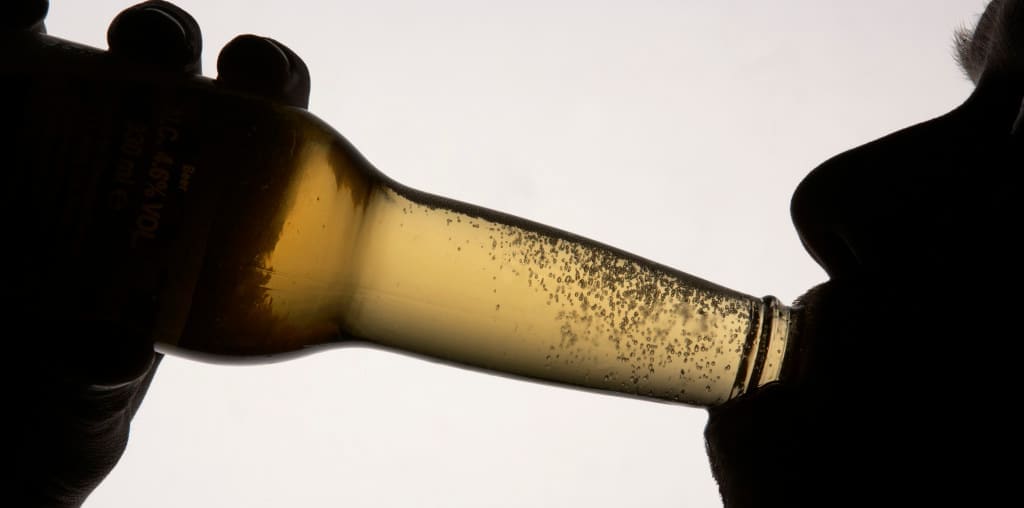
This bubbles escapade is the reason behind the tingly feeling in our mouths when we drink soda. When our soda touches our much warmer tongues and mouths, the drink becomes warmer too. It becomes less soluble for CO2, and the excess escapes as bubbles.
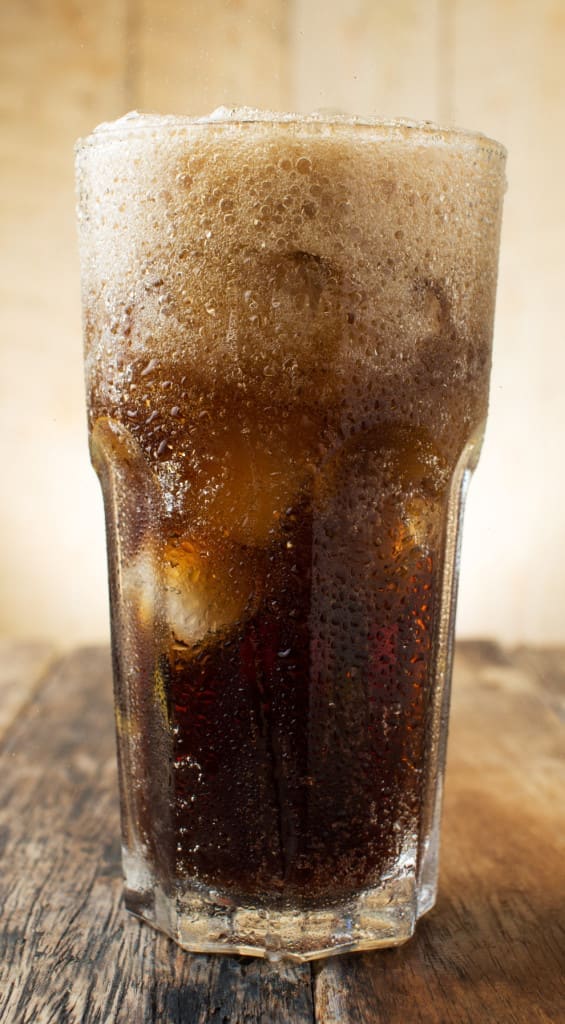 The colder our soda (or the hotter our tongues such as on a sweltering day), the faster the bubbles escape. The larger and faster the number of bubbles escaping, the more we feel they are dancing on our tongues.
Hence having an "ice cold" soda is not just a marketing ploy but is really about science. Keep your drink as cold as possible for as long as possible if you want to enjoy your soda right up to the very last drop.
photos: in order - istockphoto/Trevor Hunt; depositphotos/monkeybusiness; Tharakorn