
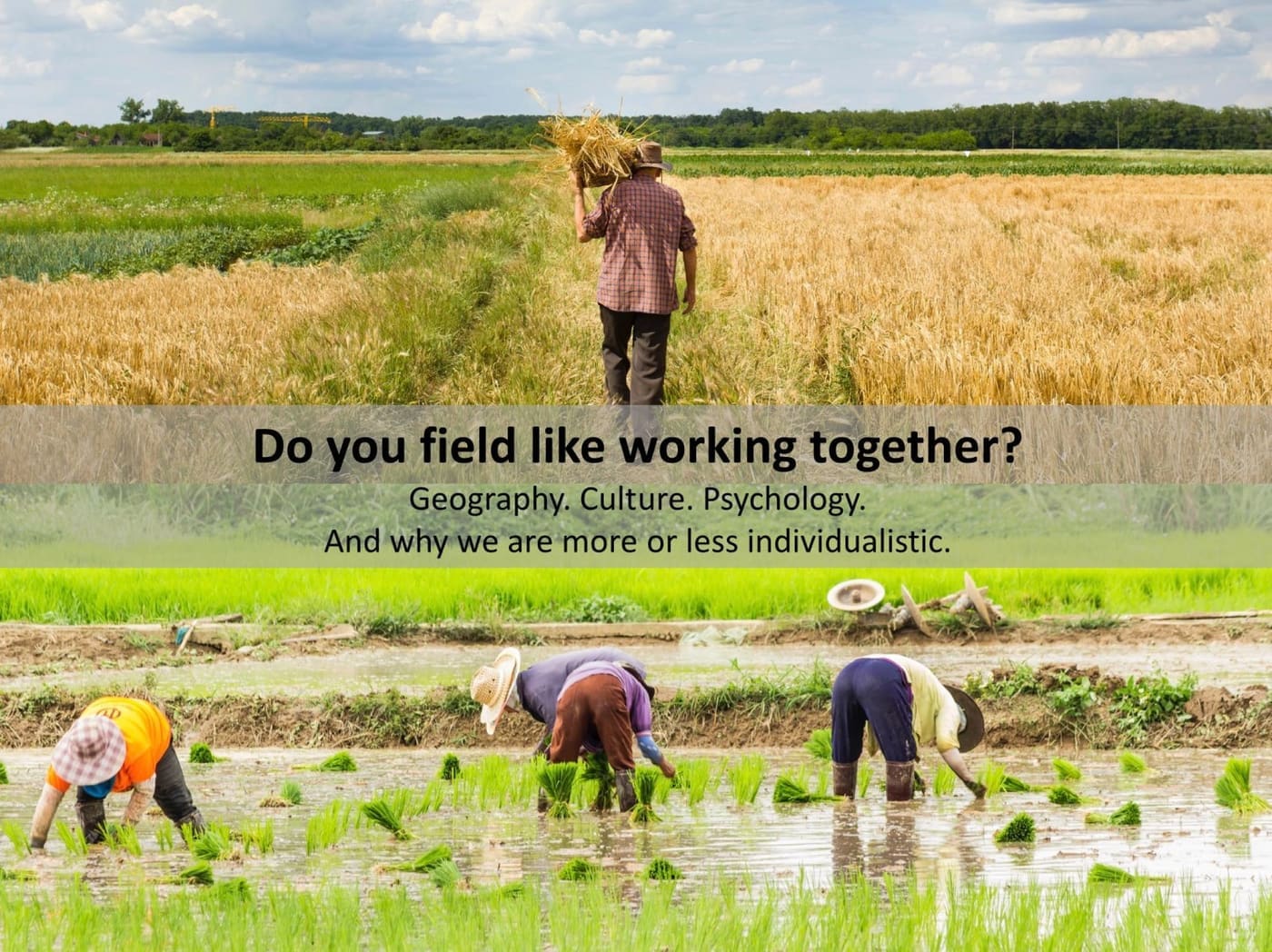
For much of history, the food we ate regularly was dictated by where we lived, especially what we could grow in the geography we lived in. Rice was the staple in some parts of the world; in others, wheat and wheat-based foods dominated.
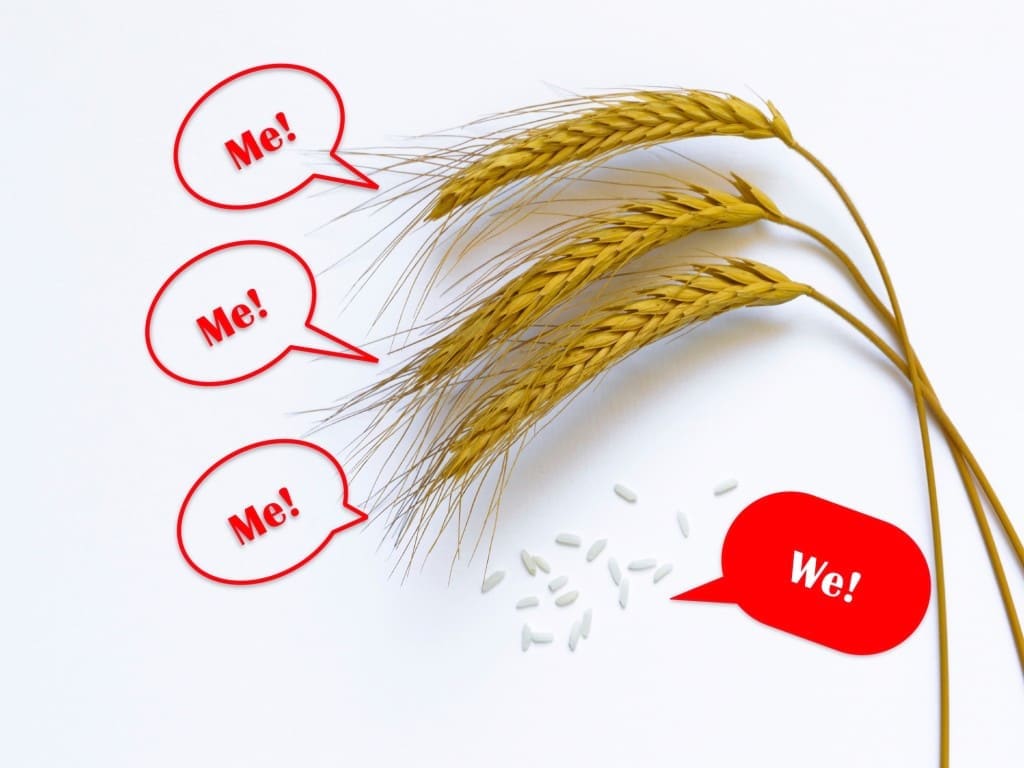
New research suggests that might also have determined our psychology. Whether we tend to think and behave in terms of "me" or "we" might have its roots in what forefathers grew and ate. It shaped our culture.
According to The Economist:
"Many psychological studies conducted over the past two decades suggest Westerners have a more individualistic, analytic and abstract mental life than do East Asians. .
Thomas Talhelm of the University of Virginia and his colleagues... look into [why]... the crucial difference [could be] agricultural.
. The West’s staple is wheat; the East’s, rice. Before the mechanisation of agriculture a farmer who grew rice had to expend twice as many hours doing so as one who grew wheat... [Thus] rice-growing societies as far apart as India, Malaysia and Japan all developed co-operative labour exchanges which let neighbours stagger their farms’ schedules in order to assist each other during these crucial periods."
.
This influenced how we thought and behaved. It could also very well continue to shape our culture and beliefs in the industrial and post-industrial age. After all, many societies made the transition from agriculture to industry only recently. 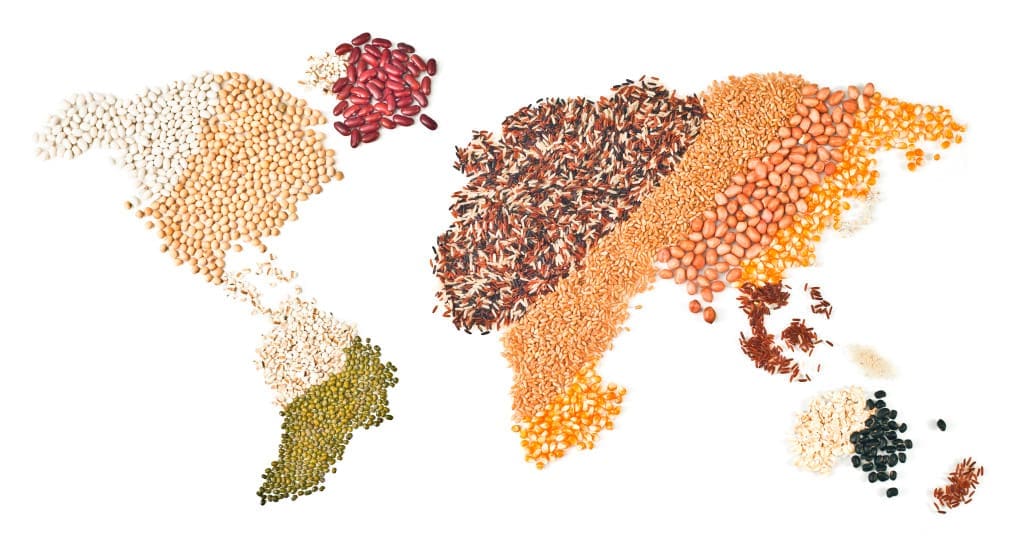 The same research has found that despite modernisation, "we" cultures (i.e. collectivist) seem to continue to be so. We are indeed what we eat! Or as the article puts it, we are what we grow to eat!

photos: in order - istockphoto/Varaporn_Chaisin; Jevtic; flySnow/istockphoto; Kris; personal