Tomato ketchup originated from Asia, and the word "ketchup" has its roots in what the dialects of the southern coastal regions of China used to call their fermented fish sauce (read all about it in the 1-Minute NomNom "How the West came from behind to ketchup with the East").
But there's more. The tale goes further back in history and wider in geography. And it's a fascinating tale of how food and ideas start from one place, are carried to another, only to return to the starting point.
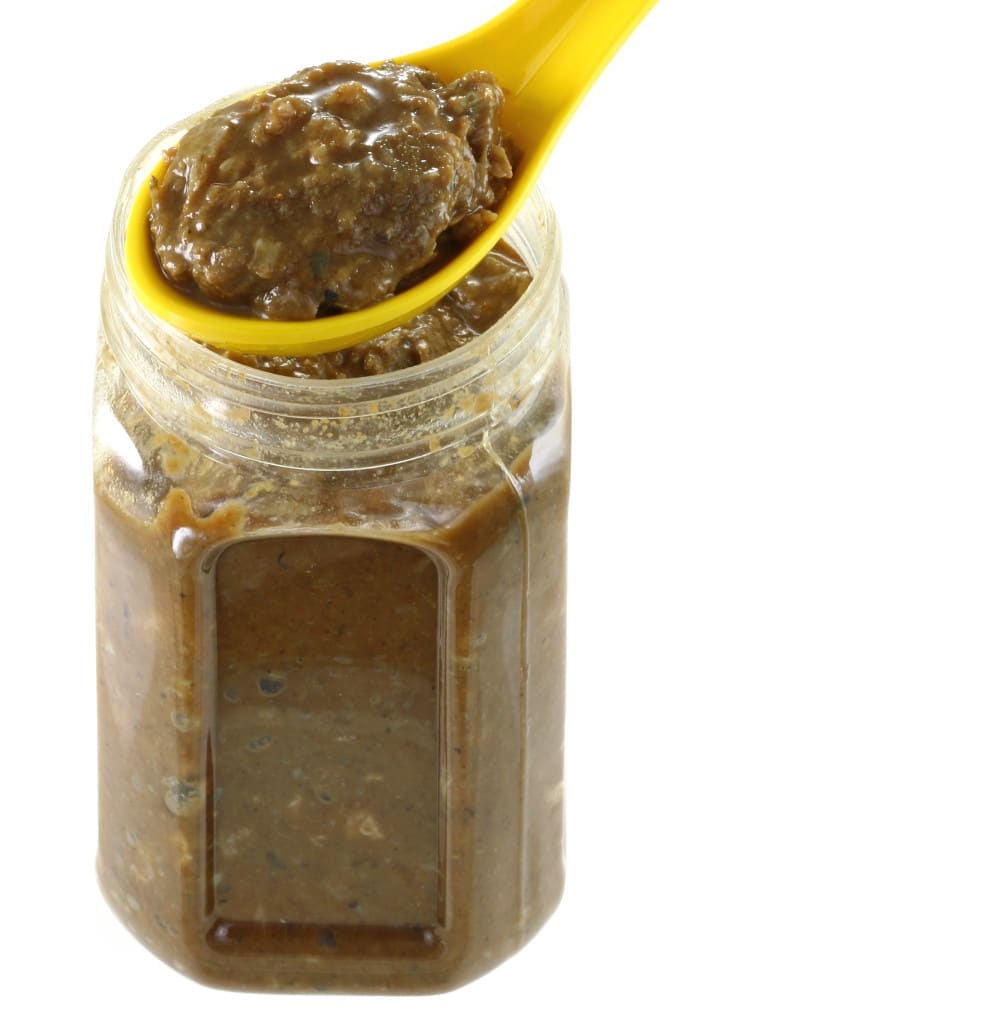
A modern day example of a Southeast Asian fermented fish sauce
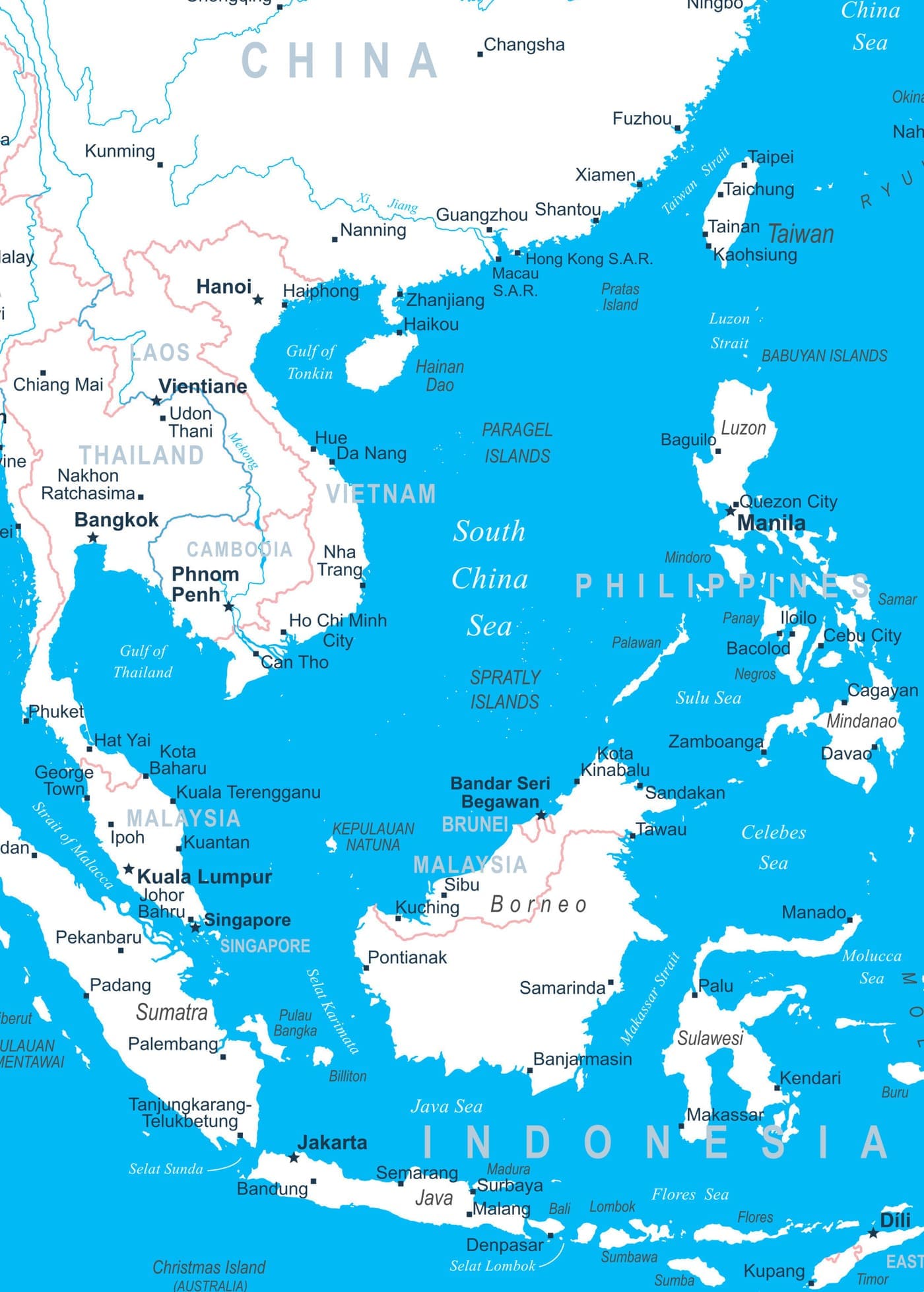
According to Stanford professor of linguistics and computer science, Dan Jurafsky, this fish sauce was (see map below)...
"... carried by Chinese sea traders from Vietnam or Cambodia up the southeastern coast of China, into Canton and Fujian provinces and the cities of Guanggong (Canton) [also known as Guangzhou], Chaozhou (Teochew), Xiamen (Amoy) and Fuzhou." (Source: Professor Jurafsky's blog)
.
... to There... (Wider in Geography)
This of course spread to the West and became tomato ketchup eventually. But the Chinese traders also took the sauce (see map above)...
"...to Indonesia. Indeed, the modern word in Indonesia for sauce is: kecap. The word is used for soy sauce, sweetened soy sauce, fish sauce, and so on...
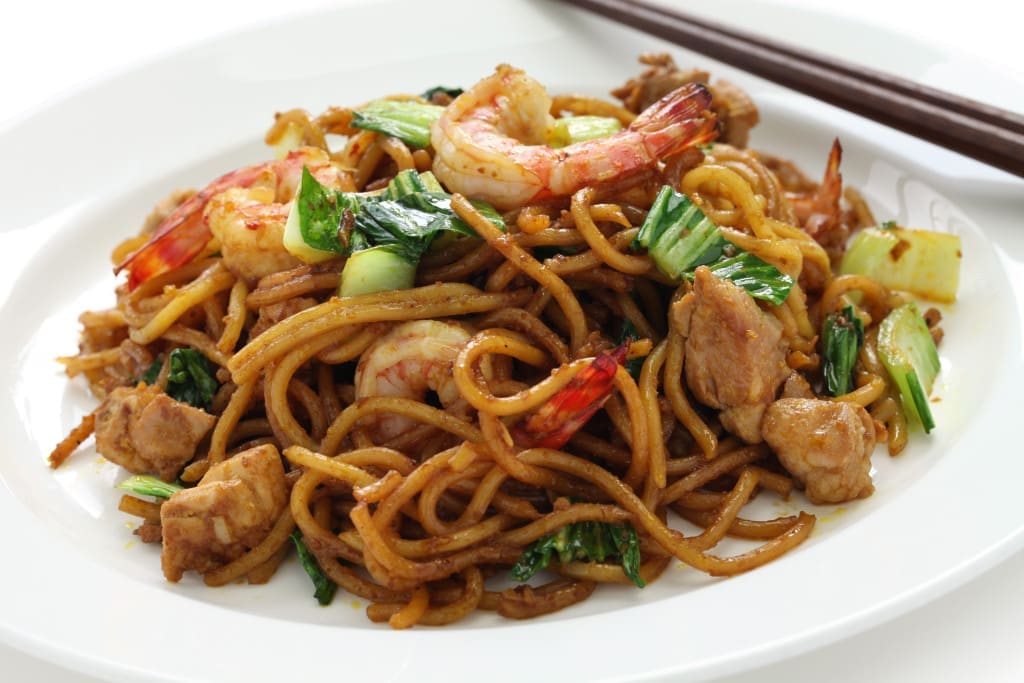
In Indonesia, noodles can be friend with kecap manis (a type of sweet soya sauce)
Anita van Velzen's ethnographic research shows that until the 1950's, all these kinds of kecap were made only by ethnic Chinese families. So kecap in Indonesian presumably started out meaning "fish sauce" and slowly generalized its meaning to "sauce in general". (Source: Professor Jurafsky's blog)
. ... And Back Again!
The story doesn't end there though. After fermented fish sauce evolved to become tomato ketchup, it made its way from the West back to the East. It came with Western foods like burgers and fries, but was also adapted into local recipes.
Take a look for example at the video above of how Hainanese pork chop - at the 1-minute and 2-minute marks, we can see how tomato ketchup is a key ingredient for what makes this dish such a favorite in parts of Asia.
So the next time you look at a bottle of tomato ketchup, use kecap manis, try some fermented fish, or tuck into some Hainanese pork chops, consider that you are tasting history, geography, global trade, language and ideas!

 But there's more. The tale goes further back in history and wider in geography. And it's a fascinating tale of how food and ideas start from one place, are carried to another, only to return to the starting point.