
If dry-aged beef is tastier and more tender than wet-aged beef (read why in the 1-Minute NomNom "Wagyu might want to meat me (and why you might care)", why is the latter more common now in supermarkets?
The funny thing is that not so long ago, dry-aged beef was the norm. Then three things happened. The first is the availability of plastics from the 1960s onward made it possible to put the beef in vacuum-sealed bags. As a result, wet-aged beef became easier to transport.
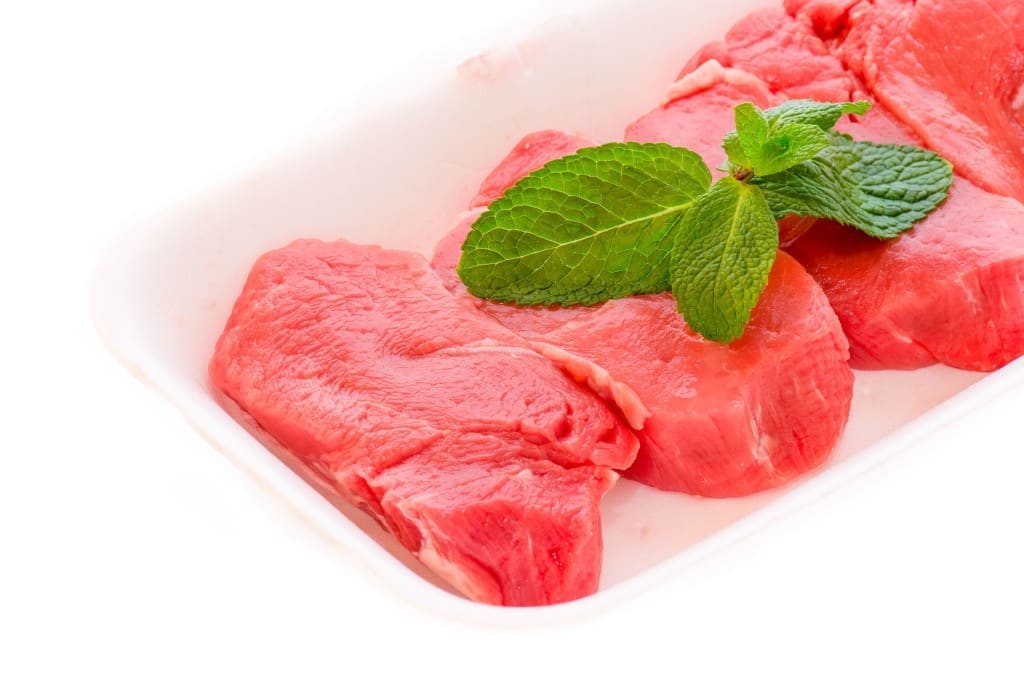 Secondly, wet-aging was a faster process (a week instead of the 2-4 weeks for dry-aging) that could also be done while the meat is being transported. Businesses could now get the meat to market much more quickly, easily and cheaply.
Thirdly, wet-aged beef has little loss in weight compared to dry-aged beef, which meant businesses could get more money because there were simply more pounds.
It is a tale we have heard before, of how new technologies, faster time to market, lower transport costs, and higher revenues usher in a new (wet) age.
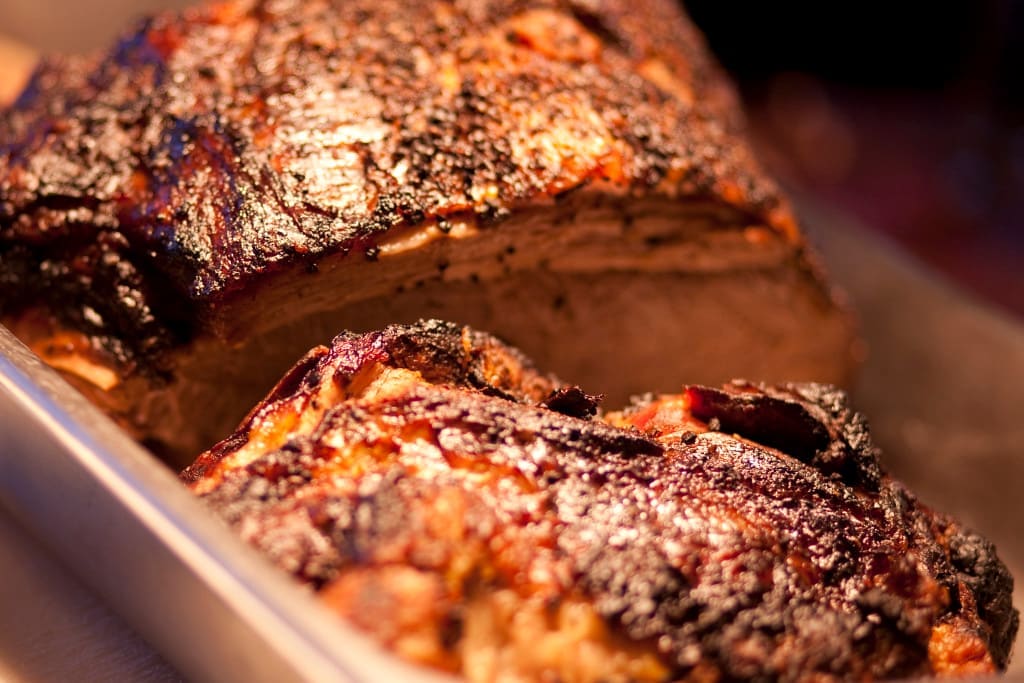
Look around you and ask which other foods are undergoing the same tale of technology, business and economics. And while you are at it, why stop at food? Why not see which other areas of life are also seeing this tale play out?