
If you want to lose weight, go to space. Not because it is weightless, but because that is where you find sweeteners.
That is precisely what happened for a NASA space mission to Mars. As part of the R&D for that mission, Dr Gilbert Levin was interested to use the properties of enantiomers to deduce if biological life existed on Mars.
What are enantiomers? When two chemical compounds have the same chemical formula but have different structures, they are called isomers of each other i.e. same formula, different arrangement.
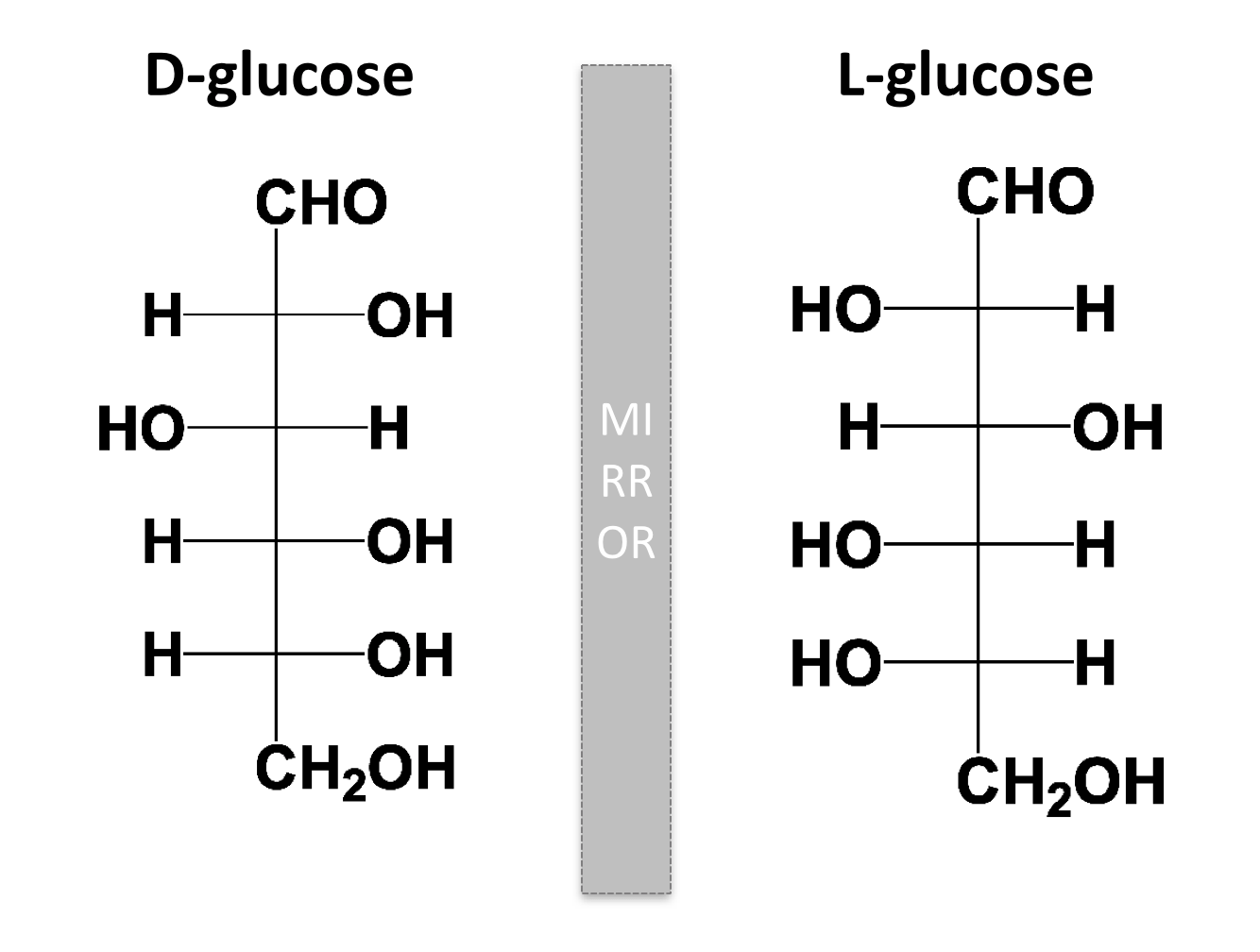
When this difference in structure is in 3D-space , they are called stereoisomers i.e. same formula, different 3D arrangement. When two stereoisomers are a mirror image of each other, they are called enantiomers.
Dr Levin wanted to use the property that while...
“...two enantiomers of a sugar molecule will respond identically in a chemical reaction, they will not have the same reaction in biological [environments]” (Source: NASA)
.

The enantiomers could thus be sent on the space mission; when it landed on Mars, how the two enantiomers responded could help NASA deduce if biological life existed on Mars.
The experiment unfortunately did not work as planned but Dr Levin used the innovation to develop a low-calorie sweetener, that is used to make low-calorie soft drinks and diary products.
The sweeteners worked by taking advantage of the phenomenon that our body's enzymes cannot react with the chemically-created enantiomer of naturally occurring glucose (remember the bit about how enantiomers have different reactions in a biological environment?).
Our body will thus flush it out (chomp into the isomer science in the 1-Minute NomNom "Mirror, mirror van der Waals, who is the sweetest of them all?").
photos: in order - istockphoto/Joel Sorrell; celafon; depositphotos/radub85; Helen_F; OtnaYdur; FreerLaw